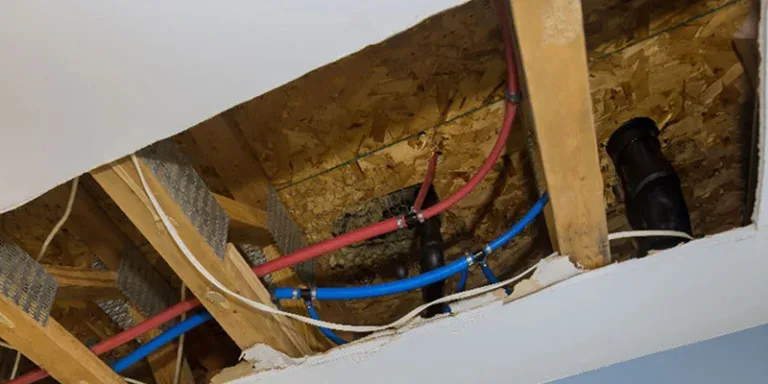
If you’ve ever poured a chemical drain cleaner down a clogged pipe and wondered whether there’s a safer, smarter way to keep your plumbing healthy, the answer is yes, and it’s been hiding in plain sight for decades. Using an enzyme to clean pipes is one of the most effective, environmentally responsible, and plumber-approved approaches to drain maintenance available today.
Enzymatic pipe cleaners harness the power of naturally occurring biological compounds to digest the organic matter that builds up inside your drains, including grease, hair, soap scum, food waste, and more, without corroding your pipes, harming your septic system, or exposing your family to toxic fumes.
At Hawthorne PHC, we recommend Bio-One as our primary biological drain and pipe cleaning product for homeowners in Reno and Las Vegas. Bio-One is a patented, EPA Safer Choice recognized bacterial drain cleaner that functions very similarly to enzymatic cleaners. It uses beneficial bacteria to biologically digest organic waste throughout drain lines, septic tanks, and leach fields. We’ll cover Bio-One and other top products throughout this guide.
What Are Enzymatic Cleaners?
Enzymatic cleaners are products that use biological enzymes, and often living colonies of beneficial bacteria, to break down organic material. Unlike chemical drain cleaners that work by dissolving material through highly caustic reactions, enzymatic cleaners work by catalyzing specific biochemical reactions that target the molecular structure of organic waste.
Here’s how the process works step by step:
You apply the enzymatic cleaner (or a bacterial cleaner like Bio-One) to your drain or pipe.
The enzymes or bacteria immediately begin attacking organic molecules, including fats, proteins, starches, and cellulose, breaking them into smaller fragments.
If the product contains beneficial bacteria (most top products do), those bacteria consume the smaller fragments, converting them into carbon dioxide and water.
The result: the organic buildup that was clogging or coating your pipe is completely digested, not just displaced.

Types of Enzymatic Cleaners
The most effective products combine multiple enzyme types to address the full range of organic material found in household drains:
Protease enzymes: Target proteins. Most effective against hair, meat residue, skin cells, and other protein-rich waste common in bathroom drains and kitchen sinks.
Lipase enzymes: Target fats and oils. Essential for kitchen drain lines where cooking grease, butter, and food oils accumulate and harden on pipe walls.
Amylase enzymes: Target starches and carbohydrates. Breaks down food particles, pasta, bread residue, and starchy waste that sticks to drains.
Cellulase enzymes: Target plant-based cellulose material, including vegetable scraps, paper fibers, and some types of organic sediment.
Bio-One uses a patented bacterial formula that naturally produces these biological compounds as it digests organic waste, making it a highly effective all-in-one solution for drain and septic maintenance.
Benefits of Using Enzymes to Clean Pipes

Environmentally Friendly Solution
Unlike many chemical products, enzymatic and bacterial drain cleaners are generally safer for the environment and more eco-friendly. Chemical drain cleaners introduce highly toxic, non-biodegradable compounds into the water system, while enzymatic and bacterial drain cleaners, by contrast, are fully biodegradable.
Bio-One has earned EPA Safer Choice recognition, the highest standard for environmentally responsible cleaning products, and is the product Hawthorne PHC recommends to clients who want an effective, eco-conscious solution for their drains and septic systems.
Safety for Plumbing Systems
Chemical drain cleaners present a genuine long-term threat to residential plumbing. Many contain harsh ingredients such as sulfuric acid and sodium hydroxide that can damage pipes over time. An enzyme pipe cleaner or bacterial cleaner like Bio-One poses none of these risks. Because the cleaning action is entirely biological, it is completely safe for common residential pipe materials, including:
PVC and CPVC pipes
Copper pipes
Cast iron pipes
Galvanized steel pipes
ABS plastic pipes
Clay sewer pipes
This makes enzymatic and bacterial cleaners the go-to recommendation for homes with older plumbing where pipe integrity is a concern.
Effectiveness Against Organic Matter
The common misconception about enzymatic cleaners is that they’re gentler and therefore less effective than chemical alternatives. In reality, for the type of buildup that causes the vast majority of household drain problems, organic matter, enzymatic and bacterial cleaners are highly effective.
That said, they don’t work equally well on every blockage and won’t fix non-organic obstructions such as toys or tree roots. Chemical cleaners can produce fast results for severe acute blockages, though some effectiveness claims come from laboratory test conditions that may not fully reflect real-world drain performance, and they don’t prevent recurrence.
Bio-One and enzymatic cleaners work more gradually on existing buildup. Tougher buildup may require multiple applications and more contact time, but they continue working for days after application, digesting residue throughout the pipe. For tough clogs or fully blocked drains, mechanical clearing usually needs to come first.
Grease Traps
Grease traps are critical components in commercial kitchens and some residential setups, capturing fats, oils, and grease before they enter the drainage system. Over time, grease traps accumulate sludge and organic buildup that can cause odors, foul odors, and slow drainage if not properly maintained.
Enzyme-based drain cleaners are highly effective for grease trap maintenance because lipase enzymes specifically target and break down fats and oils at the molecular level.
Regular use helps prevent hardened grease deposits and reduces the need for harsh chemical treatments or frequent manual cleaning, and it supports odor control by digesting the organic matter that causes foul smells.
For commercial kitchens, incorporating enzyme treatments into a scheduled maintenance plan can extend the life of grease traps and minimize costly plumbing issues.
Harsh Chemicals
Many traditional drain cleaners rely on harsh chemicals such as sulfuric acid or sodium hydroxide to dissolve clogs quickly. While these products may provide faster results, they pose significant risks to both plumbing systems and the environment.
Harsh chemicals can corrode pipes, especially older or galvanized steel plumbing, leading to leaks and costly repairs over time. They can also harm septic systems by killing the beneficial bacteria essential for waste breakdown.
Enzyme-based drain cleaners offer a safer alternative, using natural biological processes to digest organic buildup without damaging pipes or septic systems, while avoiding the toxic fumes and environmental contamination that come with harsh chemicals.
For households and businesses concerned about sustainability and pipe longevity, enzyme cleaners are the preferred choice for routine drain maintenance and odor control.
Garbage Disposals
Garbage disposals often accumulate food waste, grease, and other organic materials that can lead to clogs and unpleasant odors if not properly maintained.
Enzyme-based drain cleaners are well-suited for garbage disposals because they target the organic sludge that builds up inside the disposal and drain lines. Lipase and protease enzymes break down fats and proteins, keeping disposals running smoothly and reducing the need for manual cleaning or professional service calls.
When using enzyme cleaners with garbage disposals, follow the label directions and avoid running water or using the disposal immediately after application, so the enzymes have sufficient dwell time to work.
Regular monthly treatments can be part of a comprehensive maintenance routine, though enzyme cleaners will not clear non-organic obstructions, like utensils or bone fragments, from a disposal.
What Affects How Well Enzyme Cleaners Work
The effectiveness of enzyme cleaners depends largely on the type of organic buildup present and the conditions within the drainage system. Enzymes act as catalysts to speed up the breakdown of fats, proteins, starches, and cellulose, supporting cleaner work, but they require adequate contact time and favorable conditions to work optimally. Factors such as temperature, pH, and the presence of standing water can all influence enzyme activity.
Routine maintenance with enzyme-based cleaners involves consistent application according to product guidelines to gradually reduce sludge and organic residue inside pipes, though established buildup often needs multiple applications and longer contact time.
Unlike harsh chemical cleaners, which provide quick but temporary results, enzyme drain cleaners are slower acting than chemical cleaners and may require several hours to be effective, but they offer longer-lasting benefits. They digest buildup at the source, helping maintain a clean drainage system. This reduces odors and minimizes the need for more aggressive cleaning methods.
Best Enzyme and Bacterial Pipe Cleaners on the Market
Bio-One (Hawthorne PHC’s #1 Recommendation): A patented, 100% natural bacterial drain and septic cleaner recognized by the U.S. EPA as a Safer Choice product. Trusted by thousands of plumbers and consumers nationwide, Bio-One eliminates fats, oils, grease, and food waste from drain lines, septic tanks, leach fields, and grease traps. Each 64oz bottle provides 32 treatments.
BioSmart Drain Cleaner: A professional-grade multi-enzyme and bacterial formula widely used and recommended by plumbing companies. BioSmart’s combination of protease, lipase, and amylase enzymes with active bacterial cultures makes it one of the most comprehensive enzyme pipe cleaners available. Safe for septic systems and all pipe types.
Green Gobbler Enzyme Drain Cleaner: A widely available consumer option sold in gel form that many homeowners can easily purchase for routine maintenance. Good value for households seeking a readily available product, even if the upfront cost is a bit higher than some chemical alternatives.
Bio-Clean Drain Septic Bacteria: A dry powder formula containing both enzymes and bacterial spores. Popular with homeowners on septic systems. Well regarded for long-term maintenance and septic tank health.
Zep Drain Defense Enzymatic Drain Cleaner: A liquid formula available at most home improvement stores. Good for monthly maintenance use in high-traffic drains.
Comparison of Effectiveness
Swipe left/right to see the full table →
| Product | Enzyme/Bacteria Types | Best For | Septic Safe | Form |
|---|---|---|---|---|
| Bio-One (PHC Recommended) | Patented bacterial formula | All-purpose, septic, leach field | Yes (EPA Safer Choice) | Liquid |
| BioSmart | Protease, Lipase, Amylase + bacteria | All-purpose, septic | Yes | Liquid |
| Green Gobbler | Multi-enzyme | Bathroom and kitchen | Yes | Gel |
| Bio-Clean | Protease, Lipase, Amylase, Cellulase + spores | Septic, slow drains | Yes | Powder |
| Zep Drain Defense | Enzyme blend + bacteria | Budget monthly maintenance | Yes | Liquid |
How to Use Enzymatic and Bacterial Drain Cleaners
Choose your timing wisely. Apply at night or at a time when the drain won’t be used for at least 6 to 8 hours. The bacteria and enzymes need time to work without being flushed away.
Clear any standing water. Remove it with a cup or sponge before applying, since standing water dilutes the formula before it can reach the pipe wall.
Read and follow dosing and label instructions for the correct amount and contact time. Bio-One’s 64oz bottle has a built-in measuring system for easy, accurate dosing.
Do not use enzyme cleaners immediately after bleach or other strong chemical cleaners, and never mix them with harsh chemicals.
Pour directly into the drain opening. Do not premix with tap water.
Do not run water for 6 to 8 hours. Overnight application is ideal.
Repeat consistently. For maintenance use, apply monthly to all active drains. For a slow or partially clogged drain, apply weekly for 4 to 6 weeks before dropping to monthly.
Avoid contact with skin and eyes, as the formula may cause mild irritation.
For toilets and septic systems: pour the measured dose directly into the toilet bowl and flush to send the bacterial formula directly into the septic tank. Hawthorne PHC recommends doing this monthly as part of a complete home maintenance routine.

Real-Life Applications

Case Study 1: Kitchen Sink Grease Buildup
A homeowner with a 1970s-era home with original galvanized steel drain lines was experiencing a completely blocked kitchen sink roughly every three months from grease and oil buildup in the line, requiring professional snake cleaning each time.
After switching to monthly Bio-One treatments, the home went over 18 months without a single significant kitchen clog.
This is a particularly important case because chemical drain cleaners would have posed a corrosion risk to the aging galvanized pipes, while the biological formula worked gently but effectively over time. The monthly treatment helped keep drains flowing between professional visits.
Case Study 2: Recurring Shower Drain Hair Clogs
A family of five with three teenage children was dealing with monthly shower drain clogs caused by hair and soap scum accumulation.
After installing a basic mesh drain trap and beginning weekly enzyme treatments for one month followed by monthly maintenance, the family reported zero clogs requiring intervention for the following year.
Case Study 3: Septic System Maintenance
A rural homeowner on a septic system had been using bleach-based bathroom cleaners regularly, and their septic system was affected by that repeated use, which had depleted the bacterial population in their tank.
After an emergency pump-out, the plumber recommended Bio-One as a monthly septic maintenance treatment, since its bacterial formula uses live bacteria to restore and maintain biological activity.
Two years later, the homeowner’s tank showed a healthy bacterial balance at annual inspection, with no additional emergency services required, a result consistent with what Hawthorne PHC sees in clients on our Bio-One maintenance plans.
Enzymatic vs. Chemical Drain Cleaners: Which Should You Choose?
Scenario | Best Choice | Why |
Complete acute blockage, need flow now | Mechanical (plunger/snake) | Neither chemical nor enzyme works instantly on full blocks |
Slow drain, moderate buildup | Bio-One or enzymatic | Digests buildup gradually; safe for pipes |
Routine monthly prevention | Bio-One (Hawthorne PHC plan) | Continuous biological action prevents recurrence |
Septic system household | Bio-One only | EPA Safer Choice; supports septic biology |
Old or galvanized pipes | Enzymatic / Bio-One only | Chemical cleaners risk accelerating corrosion |
Kitchen grease buildup | Bio-One / lipase-rich enzymatic | Bacteria and lipase enzymes dissolve grease at molecular level |
Drain odor | Bio-One or enzymatic | Digests odor source; chemical cleaners only mask |
Households with children/pets | Bio-One or enzymatic | Non-toxic, no fume risk |
Make the Switch to Enzymatic Pipe Cleaning
The case for using an enzyme or bacterial cleaner to clean pipes is clear and well-supported by both science and real-world plumbing experience. Whether you’re dealing with a slow bathroom drain, a grease-prone kitchen sink, an aging plumbing system, or a septic tank that needs biological support, enzymatic and bacterial cleaners offer a solution that is safer, more sustainable, and more effective over time than chemical alternatives.
At Hawthorne PHC, we recommend Bio-One as the foundation of any proactive plumbing maintenance program. Its EPA Safer Choice recognition, patented formula, and proven effectiveness make it the natural fit for our maintenance plans for homeowners in Reno and Las Vegas. If you have questions about which product is right for your pipes, your septic system, or your specific situation, our team is happy to help. Reach out to schedule a drain health consultation or to learn more about our professional drain cleaning services.